Showing posts with label thatch. Show all posts

Summer Holiday - Bampton, Dulverton and Winsford

We had originally intended to go to Illfracombe and Woolacombe on our last day in Somerset but I thought that, after our days in Lynmouth and Minehead, we needed a quieted day.  Sal agreed and so we went for a drive in to the Brendon Hills which gave us the chance to tick off the final two on her wish list.

Every day should start with a good coffee so I took her back to the cider farm I visited the day before. On the cake front, we were spoilt for choice but we plumped to share a slice of cider cake. I think that basically it was the Somerset name for a fruit cake but it it still tasted delicious.

After buying a selection of bottled ciders we continued on our way to a small town called Bampton which lies just over the border in Devon. It had a lovely 12th century church standing at its highest point which doubled up as a visitor centre. We watched a short video of the town's history and I think we were both a bit surprised on how important it had been to the surrounding area. It had a busy railway running through it which served the many quarries in the area. It also has quite a history from the Romans to its early Saxon origins, a Norman Castle and a thriving wool and pony trade.

We then crossed back over the border to Dulverton which has the oldest medieval bridge on Exmoor spanning the River Barle. It was another beautifully laid out Medieval town crammed with shops, cafes and hotels and quite busy. We escaped in to The Bridge Inn (which is surprisingly situated next to the ancient bridge) for refreshments and then went down to the river to sit and eat of lunchtime sandwiches.

The last place on Sal's wish list was another thatched village called Winsford and this may have been the prettiest of the holiday, setting aside Selworthy which was essentially a model village. The only downer with Winsford was that the local inn, The Royal Oak, was closed, which was a shame as it looked so beautiful from the outside.

 Winsford was also the home to Labour statesman and politician Ernest Bevin who Sal got mixed up with Aneurin Bevan, the founder of the NHS. Sal being Sal meant that we had to go in search of a blue plaque but we couldn't spot one anywhere. However on the drive out of the village I spotted a plaque on a wall and screeched the car to a halt, narrowly missing a wall. It was only then that Sal realised her mistake but she was still thrilled at the outcome. It reminded me of the hilarious time she got Sir Robert Peel, the founder of the police force, mixed up with John Peel the famous fox hunter whilst we were Caldbeck.

Our journey back to base was uneventful in comparison and, even though this was our last day, we were both still in high spirits as we reflected back on a very enjoyable day.

Torres Cider Farm


Cider Farm Pears

Bampton

Bampton

Dulverton

River Barle at Dulverton

Bridge Inn, Dulverton

Signpost at Winsford

Tearoom  at Winsford

Winsford Ford

Thatched Cottages, Winsford

Royal Oak at Winsford

Royal Oak at Winsford

Winsford

Somerset Holiday - Selworthy and Dunster Castle


Just two places to visit today and they were both on Sal's "to do" list. Our first port of call was a very quaint old village called Selworthy which was owned by The National Trust and reached via a narrow country lane leading off the A39. The name of the village means "enclosure or settlement near sallows or willows" and is recorded in The Doomsday Book. 

Selworthy was rebuilt in 1828 by Sir Thomas Acland as a model village to provide housing for the aged and infirm of the Holnicote estate. One of the cottages houses Periwinkle Tearoom where we both had a coffee and shared a slice of their delicious carrot cake. It really is a must for any visitor as the tearoom garden gives a great view over the cottage roofs to a distant Exmoor. Once we were fed and watered Sal paid her obligatory visit to the gift shop where she bought a couple of mementos.

Many of the other cottages, whose walls were painted with lime wash that had been tinted creamy yellow with ochre, are now rented out and are still thatched and obviously listed. The village and the surrounding Holnicote estate was given to the National Trust in 1944 by Sir Richard Acland, having been passed down through the Acland family for nearly 200 years and the whole area is immaculately maintained by them. It really did feel like we had been transported back to a by-gone era.

Before heading off, we popped into All Saints Church which dates right back to the 15th-century and, because it is perched on the side of a hill, its porch gives a superb view out across the valley to Dunkery Beacon which is the highest point of Exmoor.

We eventually dragged ourselves away and headed a few miles down the road to Dunster and it's Castle. Things didn't start too well with parking problems which I wont go in to here, but after  winning the 'man over car technology battle' we headed off for an explore of the town and Castle. It calls itself a village and claims to be "the largest and most intact medieval village in England" and from what I saw, I don't think they are far wrong with that. 

Seemingly it has a wealth of history to discover, including the Castle, the octagonal Yarn Market (which goes back to Dunster's once thriving cloth-trade), the remains of a Benedictine priory, a Working Watermill, Packhorse Bridge and Iron Age settlements. We went to the watermill for coffee, looked at the priory from the pub beer garden and saw the Yarn Market but missed out on the settlements and packhorse bridge which is a shame because it looks rather pretty. 

We did more than could be expect of us on the castle front as we made two trips there, one either side of a snifter in The Dunster Castle Hotel. The Castle was pretty much complete and had very attractive gardens but, at the end of the day,  a castle is a castle to me and they all look the bloody same inside. Dunster Castle's saving grace was a 1940's loo and kitchen built slap bang in the middle of all its other ancient history which raised eyebrows and a smile. I've posted a photo of the loo at the end of the blog.

Another thing to note was the Security at the Castle entrance. This consisted of a mouse which had become so used to visitors that it unashamedly sat outside the ticket office tucking into the grub which someone had put down for it. If I'm being honest, apart from Periwinkle Tearooms, the mouse was the visitor attraction of the day! Sal then did one of her disappearing acts which I've gotten used to now. She found another quaint section of the town which we penned in to visit on our next trip there.

We then wearily headed back to the car and made our way back to base. After a few hours rest and some food, we walked down to Watchet harbour and then enjoyed a couple of pints of cider each in Pebbles Tavern. A smashing way to end a long and tiring day.

Dunkery Beacon from All Saint's Church

All Saint's Church Selworthy

Selworthy Thatched House

Selworthy Village Green

Selworthy Village Green

Periwinkle Tearooms

Selworthy Thatched Cottage

Selworthy Thatched Cottage

Selworthy Thatched Cottage

Coffee Time

Sal taking photos

Selworthy Thatched Cottage

View over Selworthy Village

View over Selworthy Village

Dunster Main Street
 
Dunster Main Street
Dunster Castle Gardens

Dunster Watermill

Hilltop Folly, Dunster

Conservatory, Dunster Castle

Dunster Castle Gardens

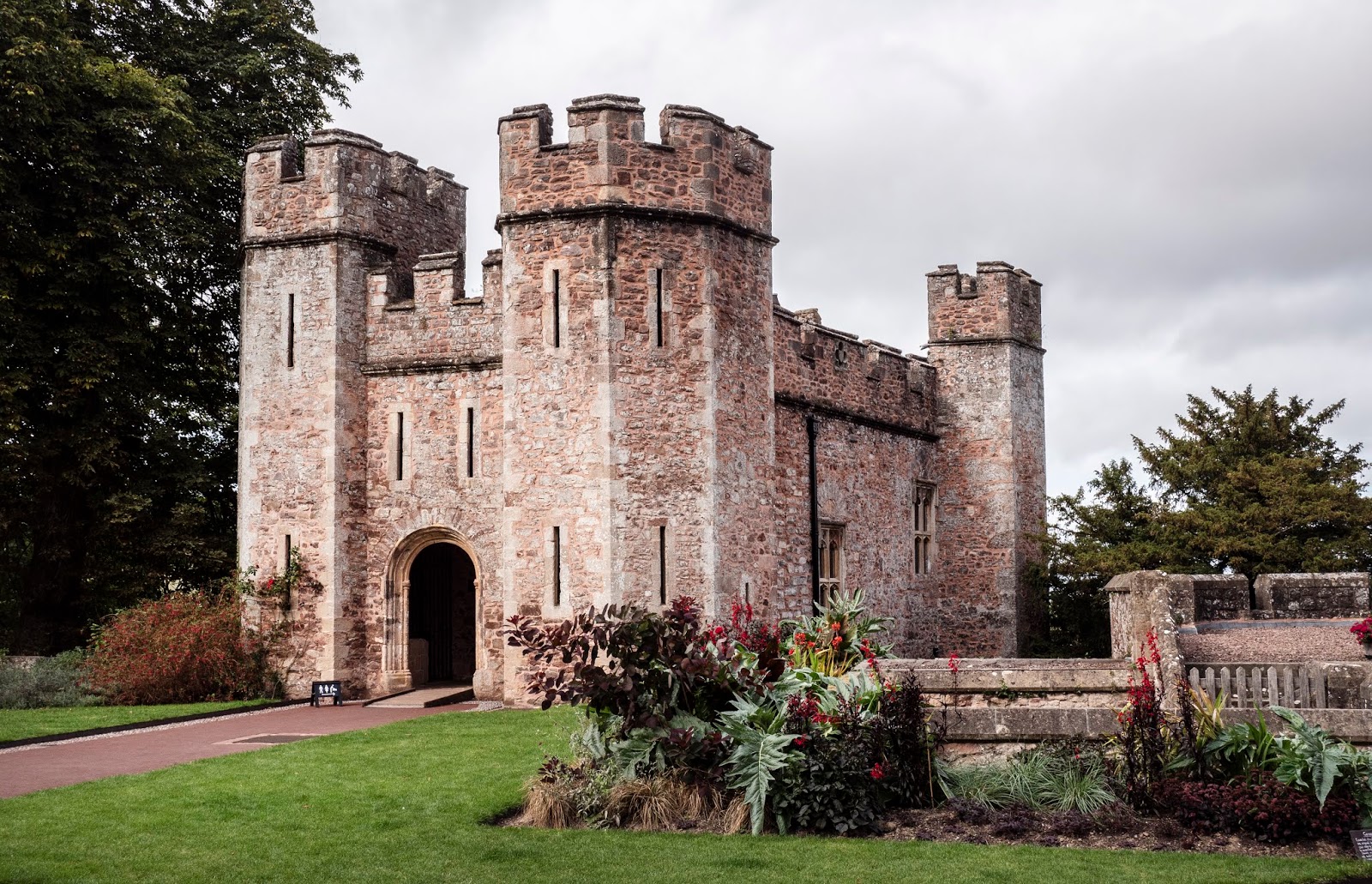
Gatehouse. Dunster Castle

Dunster Castle

Castle Entrance

Dunster Castle

Dunster from The Castle

Local Mouse

Sal at Castle Entrance
Toilet, Dunster Castle

Pebbles Tavern, Watchet

Pebbles Tavern, Watchet


Tarn Hows

Tarn Hows, which is a man made lake, was developed from three smaller tarns - which were known as High Tarn, Low Tarn and Middle Tarn. The s...